Eternal Strands: A Fusion of Zelda, Monster Hunter, and BioWare Legacy
Eternal Strands, a 2026 action-adventure game, masterfully blends Monster Hunter-style combat and physics-based magic for an epic experience. Developed by Yellow Bricks Games veterans, this title promises thrilling battles against climbable giants and a deeply personal narrative.
As a long-time fan of action-adventure games, my excitement peaked when I first saw the reveal trailer for Eternal Strands. The year is 2026, and the gaming landscape continues to evolve, but the promise of a title that blends the best elements of modern classics feels like a breath of fresh air. The trailer immediately transported me to a world of towering, climbable beasts and physics-bending magic, a world crafted by veterans who clearly understand what makes these genres sing. I could almost feel the weight of the history behind this project—a studio born from the minds that shaped some of my favorite RPGs, now venturing into a bold new realm. The sense of adventure, the scale of the enemies, and the sheer creative potential hinted at in those first few minutes promised an experience I couldn't wait to get my hands on.
The Architects of Adventure: Yellow Bricks Games
The story of Eternal Strands begins not just with a game idea, but with a reunion of legends. Yellow Bricks Games, founded in 2020 by former Dragon Age creative director Mike Laidlaw, feels like a gathering of old friends with a shared dream. I remember the deep narratives and character-driven worlds Laidlaw helped build at BioWare. To see him, alongside other veterans from BioWare and Ubisoft, step out to form their own independent studio was inspiring. It signaled a return to passionate, focused development. This isn't a faceless corporate project; it's a labor of love from developers who have been at the pinnacle of AAA gaming and are now channeling that expertise into something uniquely their own. Their first project had to be special, and Eternal Strands is their declaration of intent.
Meet Brynn, The Fearless Weaver
In Eternal Strands, I won't be playing a silent protagonist or a blank slate. I'll be stepping into the boots of Brynn, a character described as a "fearless Weaver." This title alone sparks my curiosity. A Weaver sounds like someone who manipulates the very fabric of the world, and her quest—to recover her people's cultural home—immediately grounds the adventure in a powerful, personal motive. It's not just about saving the world; it's about reclaiming identity and history. This narrative hook feels like it carries the DNA of rich storytelling I associate with Laidlaw's past work, promising a journey with emotional weight behind every colossal enemy felled and every secret uncovered.
A Combat Symphony: Climbing Giants & Wielding Physics
The heart of Eternal Strands, as shown, is its spectacular combat—a brilliant fusion of two iconic styles.
First, the shadow of Monster Hunter looms large, and I am here for it. The trailer shows Brynn facing behemoths so massive that the only way to fight them is to climb onto their very bodies. The thought of scaling a living, breathing mountain of scales and armor, targeting specific weak points while holding on for dear life, is exhilarating. It promises battles that are less about button-mashing and more about strategic positioning, observation, and exploiting the environment of the creature itself.
Second, and just as thrilling, is the spirit of The Legend of Zelda: Tears of the Kingdom. Brynn's arsenal isn't limited to swords and spells in the traditional sense. She wields physics-manipulating magical powers that let her interact with the world in creative, systemic ways. The developers have explicitly mentioned using the environment strategically: creating ice shields against a dragon's fire breath, or perhaps using telekinesis to hurl massive boulders. This isn't scripted spectacle; it's emergent gameplay where my creativity in using the tools is the key to victory.
| Gameplay Pillar | Primary Inspiration | Player Experience |
|---|---|---|
| Colossal Enemy Combat | Monster Hunter series | Strategic, climb-based battles against massive beasts. |
| World Interaction | Zelda: Tears of the Kingdom | Physics-based magic for creative problem-solving & combat. |
| Exploration & Discovery | Shadow of the Colossus | Vertical, seamless exploration to uncover secrets. |
A World to Shape and Explore
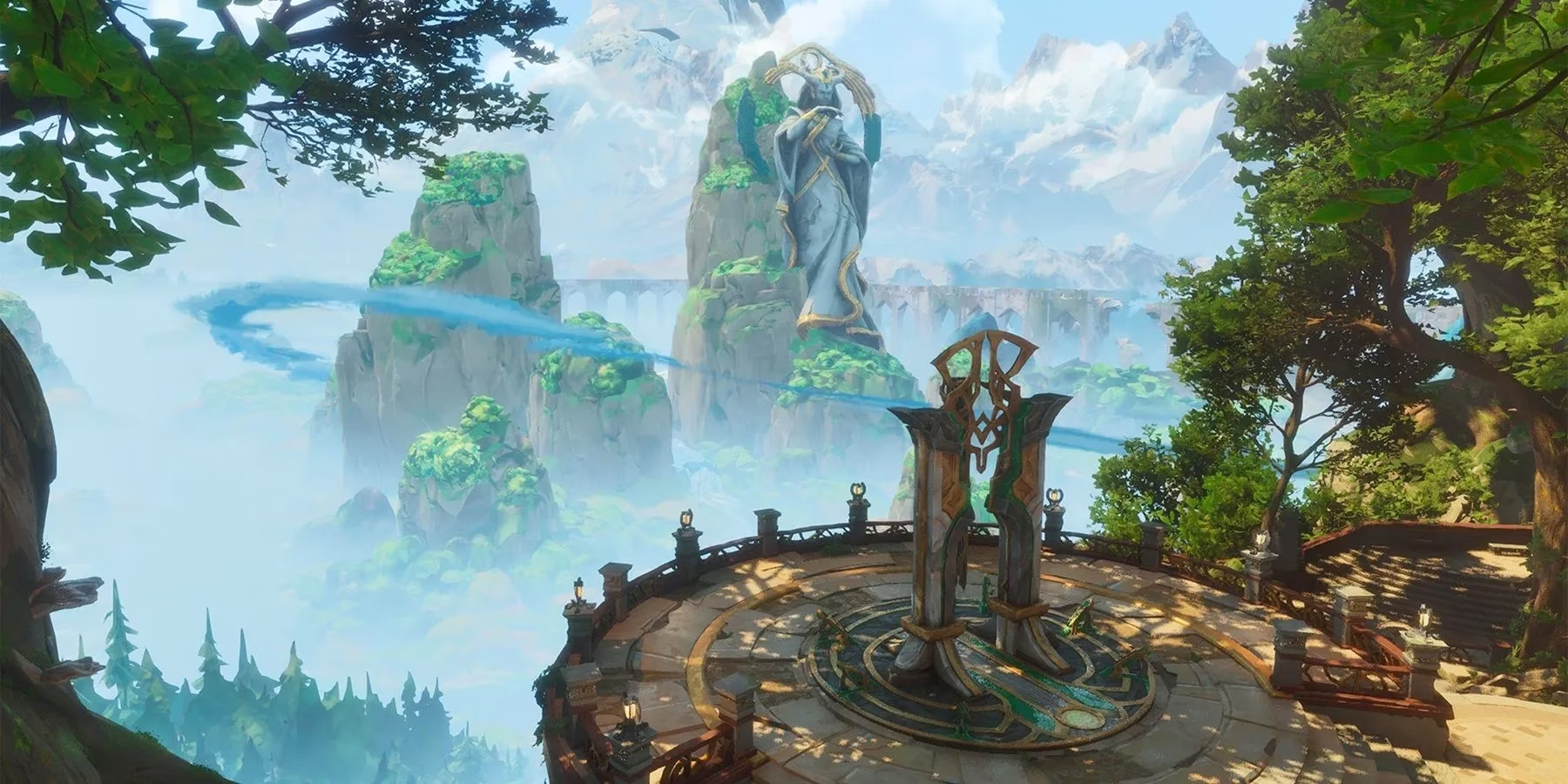
Combat is only one part of the adventure. The official descriptions emphasize exploration just as heavily. In Eternal Strands, the world itself is a puzzle and a pathway. With my abilities, I can "create new paths and climb on every surface." This promise of nearly unrestricted verticality reminds me of the lonely, awe-inspiring journeys in Shadow of the Colossus. I imagine using my Weaver magic to fuse elements together, creating makeshift bridges, freezing waterfalls to climb, or uncovering hidden caves behind destructible walls. The sense of discovery will be tied directly to my mastery of the game's systems, making every secret feel earned.
The Legacy and The Future
It's fascinating to observe where Eternal Strands draws its lineage from and where it might chart its own course. The influences from Tears of the Kingdom are a masterclass in learning from success. That game sold over 20 million copies by 2026 and was celebrated for empowering player creativity. By adopting a similar philosophy of adaptable physics, Eternal Strands positions itself at the forefront of modern action-adventure design.
Yet, as a fan of the deep, choice-driven narratives of Dragon Age, I note the studio's careful wording: Eternal Strands is an action-adventure game. The "RPG" label isn't prominently used. This makes me wonder how Brynn's story will unfold. Will there be dialogue choices, companion relationships, or moral decisions that shape the world? Or will the "role-playing" come more from the emergent gameplay and the physical role I play in the environment? This is the intriguing mystery Laidlaw and his team have set up. The final version will reveal how much of that classic BioWare narrative depth has been woven into this new, physics-driven tapestry.
Anticipation in 2026
As of 2026, Eternal Strands still guards its official release date closely. But the foundation it has revealed is incredibly solid. It’s a game that understands the assignments given by its inspirations and seeks to combine them into something greater:
-
✅ Epic Scale: From the studio's veteran pedigree to the in-game colossal foes.
-
✅ Creative Freedom: Physics-based magic that turns the world into a toolbox.
-
✅ Strategic Depth: Combat that requires more than reflexes—it requires thought.
-
❓ Narrative Depth: How will Brynn's personal quest be fleshed out?
For players like me who crave worlds that feel alive, reactive, and full of wonder, Eternal Strands is shaping up to be a landmark title. It's the promise of an adventure where I can be a tiny hero on a giant's back one moment, and a master weaver of the physical world the next. The strands of Zelda, Monster Hunter, and Dragon Age are being braided together, and I cannot wait to see the final pattern. The wait is filled with the most delightful kind of speculation, dreaming of the giants I'll climb and the worlds I'll weave.
This overview is based on market and development reporting from GamesIndustry.biz, a useful lens for understanding why a veteran-led indie like Yellow Bricks Games would position Eternal Strands around systemic physics, spectacle-scale monsters, and a clear character fantasy (Brynn the Weaver): those pillars are increasingly the differentiators that help new IP earn visibility in a crowded action-adventure field while still leaving room for post-reveal messaging on narrative depth and long-term support.