Zelda’s Z‑Targeting Has Barely Evolved Since 1998 — And Here’s Why That Matters in 2026
The Z-targeting lock-on from Ocarina of Time persists in Tears of the Kingdom, making combat feel archaic.
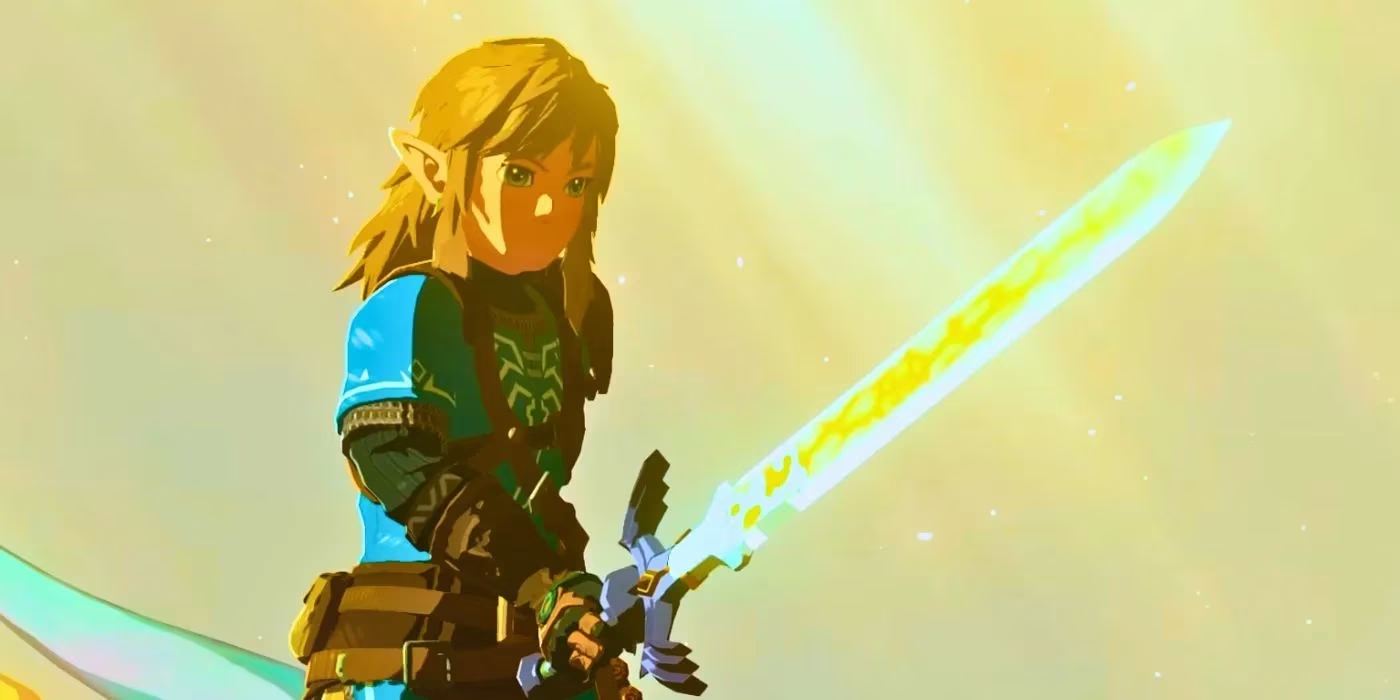
When The Legend of Zelda: Tears of the Kingdom launched in 2023, players marveled at its boundless creativity and the new Fuse ability. Yet, once the initial wonder faded, many started noticing something oddly familiar about the combat. Despite dozens of weapon types and flashy Sage abilities, the core lock‑on system had barely budged since 1998’s Ocarina of Time. Now, in 2026, with the gaming landscape more action‑oriented than ever, that aging Z‑targeting mechanic feels like the elephant in the room for the beloved franchise.
The Origins of a Timeless System
Back on the Nintendo 64, the controller’s single analog stick left players with limited camera control. To solve this, Ocarina of Time introduced Z‑targeting: by pressing the Z button on the back of the controller, the camera would snap behind Link and lock onto an enemy or object. It was a groundbreaking solution that allowed 3D combat to feel intuitive. Every subsequent 3D Zelda — from Majora’s Mask to Twilight Princess and even the open‑world Breath of the Wild — adopted a near‑identical method, usually mapped to the left trigger.
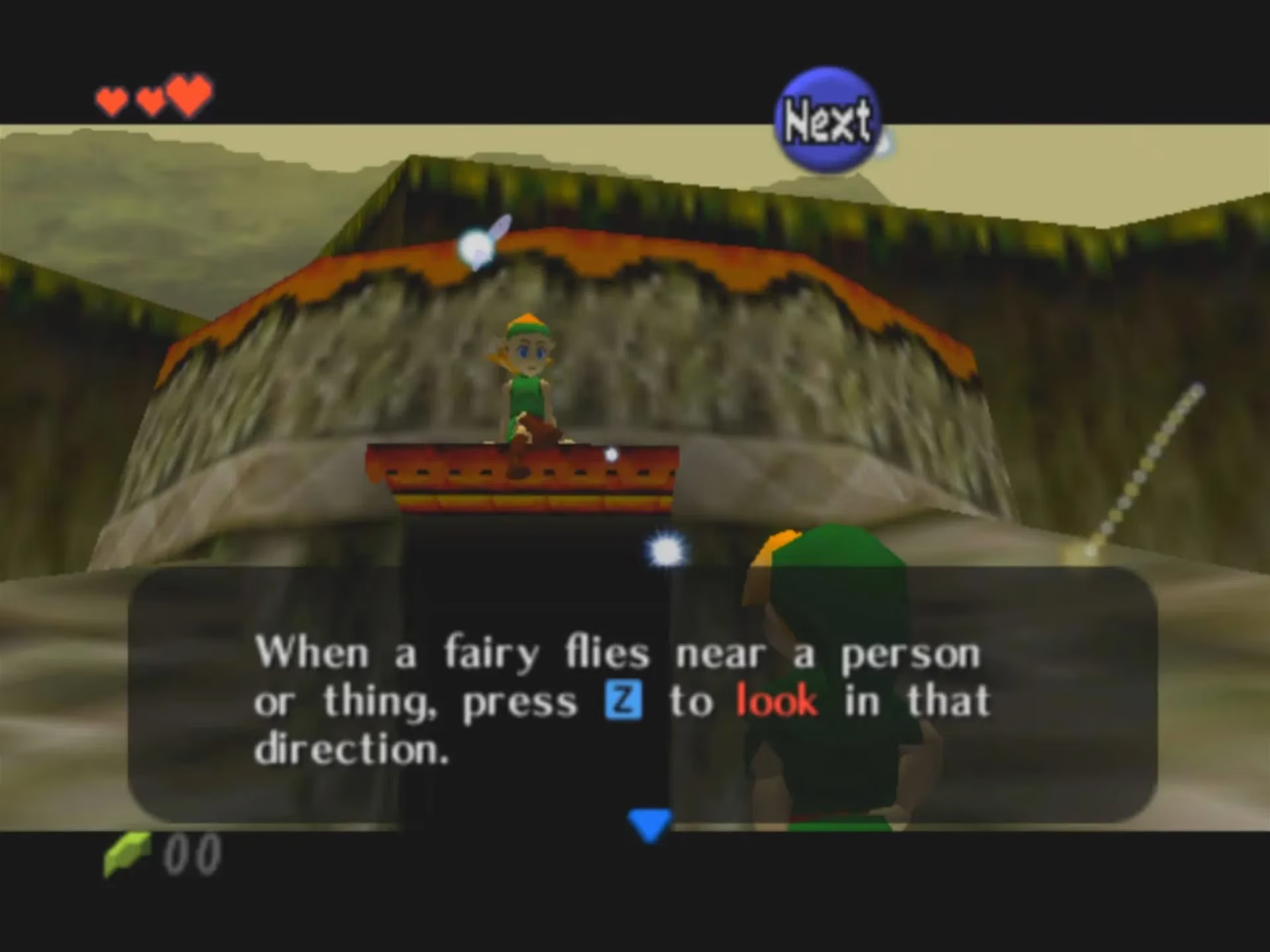
That consistency is a double‑edged sword. While it grants returning players a sense of ease, it also means that the lock‑on mechanics have remained frozen while the rest of the series experimented wildly with motion controls, physics, and crafting. By the time Tears of the Kingdom arrived, holding ZL to lock on felt less like a design choice and more like a dusty habit.
Where the Cracks Show
The biggest problem with holding a button to target is how it occupies the player’s left index finger, making other actions cumbersome. Granted, Breath of the Wild and Tears of the Kingdom automatically block incoming attacks when Link wields a one‑handed weapon and a shield, but that introduces its own weirdness. Two‑handed weapons, for instance, cannot block at all unless the player manually puts them away and pulls out a shield — a clunky dance when weapon durability forces constant switching. A more elegant system would let Link parry with the weapon itself at reduced effectiveness, but the current control scheme leaves little room for that.
More frustrating is the crowd‑control fiasco. In Tears of the Kingdom, groups of Bokoblins, Moblins, or Lizalfos often swarm Link simultaneously. Early in the game, when weapons break quickly and healing items are scarce, managing multiple foes is crucial. Yet the Z‑targeting forces players to release ZL, manually center the camera on the next threat, and then re‑engage the lock. It’s a staccato rhythm that interrupts the flow of battle. Imagine if a modern action game forced you to unlock and re‑lock between every enemy — it would feel archaic, because it is.
🔍 How Z‑Targeting Stacks Up in 2026
-
Most modern action games use toggle lock‑on and right‑stick switching, keeping both hands free for other actions.
-
Zelda still demands the player hold a trigger, eating a finger that could be used for a parry, quick menu, or environment interaction.
-
Crowd management suffers heavily, especially in the early hours when one mistake can spell a game over.
-
Even the hidden Earthquake technique in the Yiga Clan hideout or Sage avatar abilities can’t paper over the clunky targeting.
A 2026 Opportunity for Change
Since the series’ combat engine hasn’t fundamentally changed in nearly three decades, many fans have been vocal about a simple, transformative fix: make Z‑targeting a toggle. Press the right stick once to lock onto an enemy, then simply tilt the stick to flick between targets. This is already standard in dozens of games, from Dark Souls to modern action‑RPGs. It would free up the left trigger for a new action — perhaps a dedicated dodge, a contextual parry, or even a quick‑swap menu for weapons. Combined with a revised control layout, two‑handed weapons could finally get a defensive option, and battles against multiple enemies would feel buttery smooth rather than clunky.
Nintendo is famously protective of its traditions, but the company also delights in reinventing Zelda every generation. With rumours swirling about a next‑gen console and a new Zelda adventure that may take the formula in uncharted directions, 2026 could be the perfect moment to retire the hold‑to‑lock mechanic. Players have spent decades gripping that trigger; it’s time for a system that respects both modern ergonomics and the series’ own inventive spirit.
No one is asking for Zelda to become a twitch‑reflex soulslike. A few thoughtful ergonomic tweaks — like a toggle‑lock and better weapon parity — would go a long way toward making combat as polished as exploration. After all, Hyrule deserves a Link who can switch targets as easily as he climbs mountains.